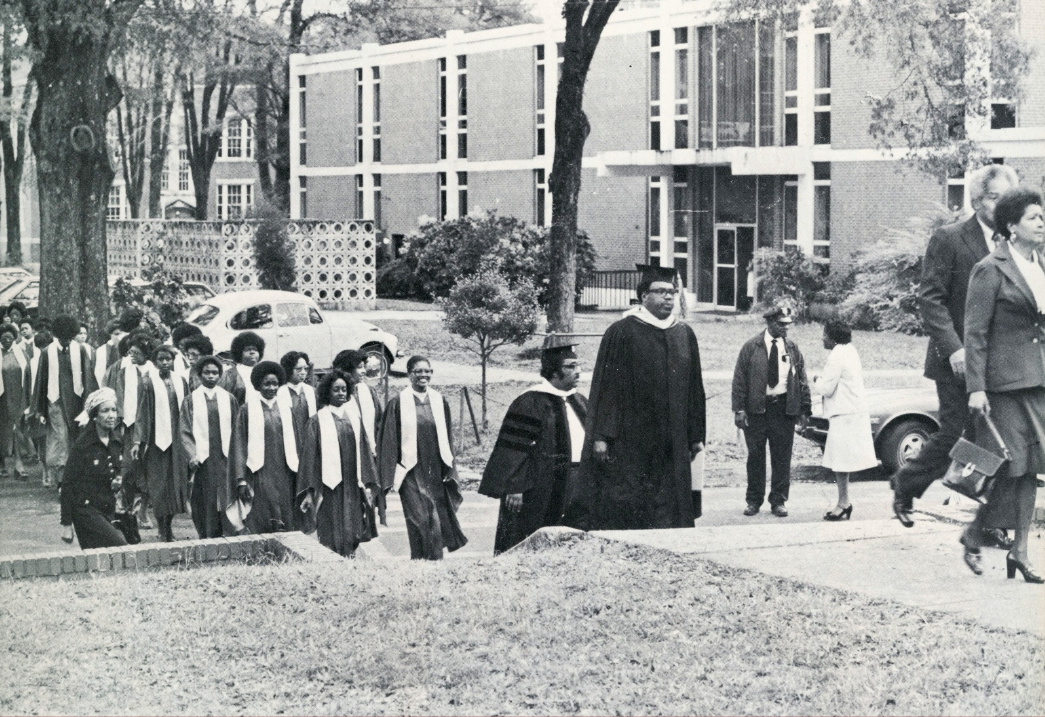






Historically Black Colleges and Universities were founded on the principle of making sure African Americans had access to quality education. Talladega College, one of the 107 HBCUs in the United States, was established in 1867 by two formerly enslaved men who wanted to ensure Black people could obtain formal education. Today, HBCUs represent more than their historical beginnings. They have become cultural phenomena whose influence extends globally while also serving a diverse population of students.
One of the advantages of being at Talladega College is exposure to people from different places and backgrounds. Talladega, Alabama, may not be the location most people associate with international diversity, yet the campus is home to students from across the Black diaspora and other regions of the world. Being surrounded by these communities allows students to recognize how much people share in common while also learning perspectives that may be unfamiliar. Before coming to Dega, one student shared that she had never met a Caribbean person. Now, some of her closest friendships are with Caribbean students, and she has learned many cultural similarities through those relationships.
It’s beautiful to witness how cultural traditions have been preserved across generations while also being adapted by different ethnic groups to reflect their own identities. Examples of these cultural parallels can be seen in festivals and cuisine across the diaspora. The Junkanoo festival in The Bahamas shares artistic and performance similarities with the Calabar festival in Nigeria. Food traditions also reflect shared foundations. Dishes such as “red rice” appear in multiple forms across the diaspora, including West African Jollof rice and Louisiana-style Jambalaya. While preparation methods vary, the central concept of rice combined with a tomato base remains consistent.
Black History Month is not only a time to reflect on historical progress but also an opportunity to consider the future of Black communities. Questions surrounding what the future should look like for Black people and how we as individuals can contribute to that future should remain central themes of the month. Not every person will become a Rosa Parks, but progress is built through collective contribution. We are Black history, representing the generations who fought for the educational opportunities we currently experience. As students at HBCUs in the South, it is important for us to understand the historical context that has shaped our education today. Throughout history, African Americans have faced violent and systemic discrimination that denied them access to quality education. We must not take our opportunities for granted.
For Black History Month, The Wall 627 created an editorial photo showcase highlighting Black students across the diaspora.
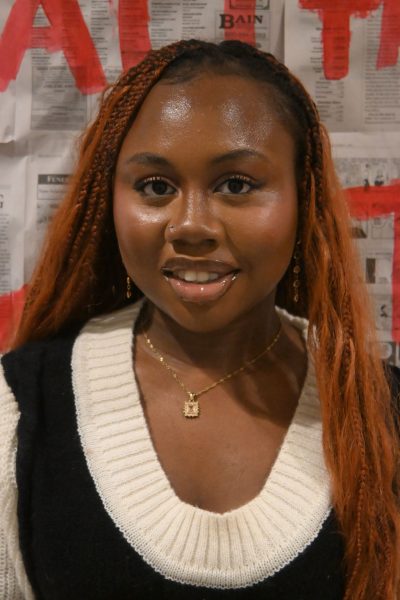
Ra Pierre, a student from Opelousas, Louisiana, spoke about the meaning of representation on campus. He described his experience by saying, “It feels like a fly in milk, not too many people are where I’m from, and it allows me to be a good example and represent the 337.”
Stephanie Hubard from Paramaribo, Suriname, discussed common misconceptions about her home country. Many people are unfamiliar with Suriname and often assume it is located in Africa. When people discover that Suriname is in South America, they sometimes expect her to speak Spanish, even though Dutch is the official language of the country. Stephanie also shared that if she could teach others one thing about Suriname, it would be that culture can coexist beautifully. In her words, “unity does not mean sameness; it means respect”.
Mahogany Taylor from Atlanta, Georgia, said she enjoys being part of the Dega Diaspora because it represents a community that is both similar and different in its own way.
I spoke to Emme Elon, the creative director for the editorial, about her vision for the shoot and the message she hoped to convey.
“For the longest time, I’ve always thought it was beautiful how Black people exist throughout the diaspora with distinct cultures, yet remain deeply connected,” she said. “What inspired me most, though, is constantly seeing ‘diaspora wars’ online — debates about which Black ethnicity is ‘better.’ In my opinion, although we are culturally different, at the end of the day, we are all Black. We all experience the world through that shared identity, and in that sense, we are all ‘niggas’ — not as an insult, but as a reflection of the shared racial identity and perception that binds us. The world often does not distinguish between our cultural differences, so neither should we weaponize them against one another.”
The models were styled in outfits with nude and warm tones, such as browns, reds, and oranges, and some were encouraged to wear traditional attire to reflect their most authentic cultural expression.
Visually, the shoot relied heavily on contrast. In some photographs, models were positioned together to represent contrast yet unity, while in others they were looking away from one another to symbolize individuality. Overall, the concept demonstrated that Black people are distinct but not separate.
Her favorite part of the shoot was directing.
“Seeing an idea that’s lived in your head for so long come to life is incredibly fulfilling,” she said.
She hopes that when people see the photos, they feel connected to other Black people.
“Yes, we have our own traditions, cultures, and customs,” she said. “But especially in today’s political climate, unity across the diaspora feels more necessary than ever. I want Black people to look at these images and see that we can coexist, collaborate, and thrive together.”
When conceptualizing the shoot, she associated the project with the song “Every Nigger Is a Star” by Boris Gardiner. “When I first conceptualized this shoot, that song immediately came to mind,” she said. “The message behind it — that every one of us carries brilliance and value — reflects exactly what this project represents.”
Featured Students
The Degan Diasporas editorial featured six students representing different cultural backgrounds within the Black community, each contributing to a unified message of identity and connection.
- Stephanie Hubbard – Paramaribo, Suriname
- Ra Pierre – Opelousas, Louisiana
- Augustine Safro – Kumasi, Ghana
- Mahogony Taylor– Atlanta, Georgia
- Ayomikun Mesogboriwon – Ogun State,Nigeria
- Amber Smith – Nassau, Bahamas
Conclusion
The Degan Diasporas project ultimately reflects a broader message about Black identity, culture, and community.
While Black people across the world may express culture differently, shared histories, experiences, and forms of expression continue to connect the diaspora. The editorial serves as a visual and narrative celebration of cultural preservation, collective pride, and generational legacy.
In a world where online discourse often amplifies division within the diaspora, the project stands as a reminder that cultural difference does not erase shared identity. Instead, it highlights the beauty of coexistence, mutual respect, and collective growth.
The Degan Diasporas editorial showcases Black identity as something simultaneously individual and collective. The project ultimately demonstrates that although Black communities around the world may be culturally distinct, the spirit of the diaspora remains deeply connected.