
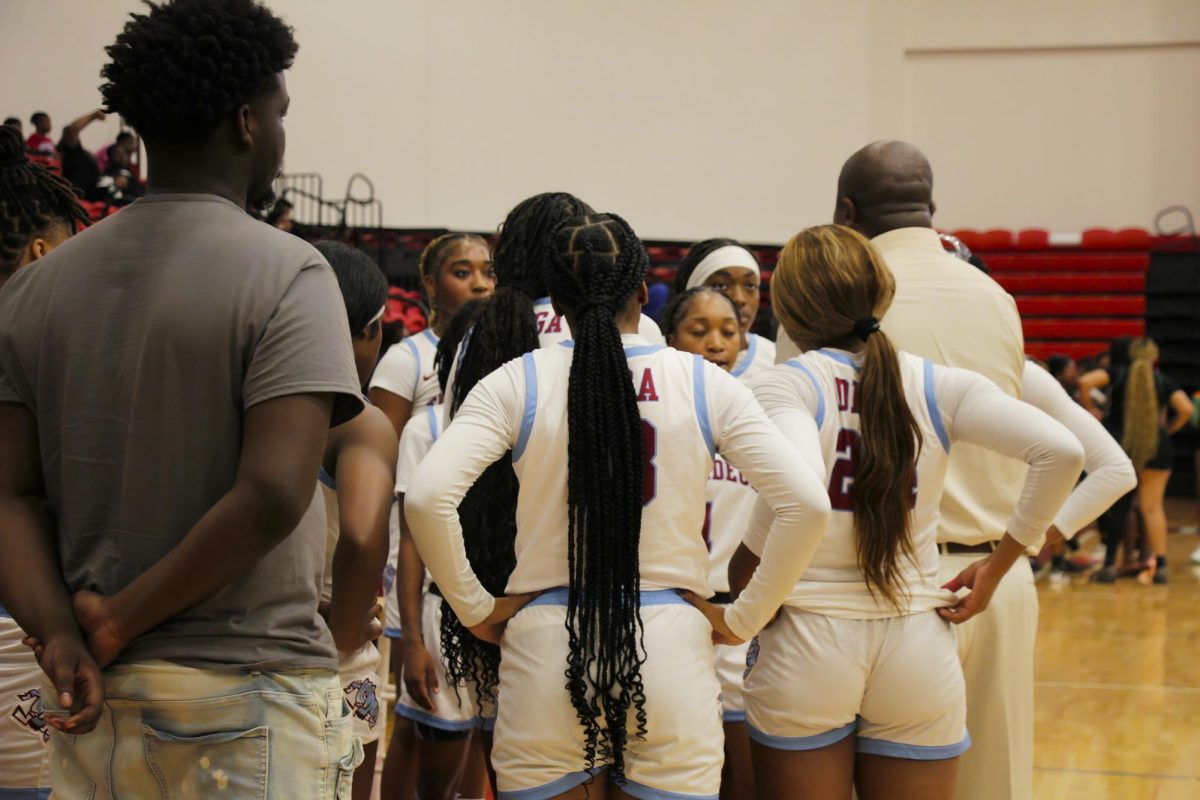



HBCU dance teams glitter under stadium lights — flawless precision, fierce presence, and undeniable power. But behind the glamour lives a side the public never sees: sleepless nights, mental strain, aching bodies, and a culture where perfection isn’t an expectation, it’s the bare minimum.
The Culture, The Craft, The Crown
HBCU dance and majorette teams are more than performance squads — they are cultural institutions. From explosive halftime entrances to crisp, theatrical sideline sets, these teams fuse jazz, West African movement, hip-hop, ballet, and pure showmanship to create a style that is unmistakably their own.
They command football fields.
They energize parades.
They preserve legacy.
But behind every high kick and razor-sharp hit lies a reality that rarely makes it to the timeline: relentless expectations, emotional exhaustion, and a pressure cooker culture that shapes dancers long before they ever step under the stadium lights.
“The field sees our shine. They don’t see our sacrifices.”
A Broader HBCU Reality
Across campuses, a single truth echoes: the pressure isn’t unique to one school — it’s woven into the entire HBCU dance landscape. Whether it’s a legendary program or a rising team, dancers share the same experiences:
six-day practices, body standards, performance anxiety, and the microscope of social media.
A Mississippi dancer explained:
“People think we just show up and perform. They don’t see conditioning, the late nights, or the mental grind.”
Another dancer from Georgia shared the impact of going viral:
“It’s fun until thousands of strangers critique your hair, your body, your facial expressions — everything.”
Visibility is a double-edged sword: pride on one side, pressure on the other.
Still, dancers find ways to stay grounded. Many teams use upperclassman mentorship systems, giving rookies hands-on guidance through the adjustment. Some create informal support: team check-ins, group study nights, accountability partners. These bonds become lifelines.
An Alabama dancer said it best:
“Wellness Wednesdays don’t solve everything, but they remind us we’re humans before we’re performers.”
Some campuses are finally responding — adding access to trainers, sports medicine, or counseling center partnerships. It’s not universal, but it’s a start. A quiet shift is happening: excellence no longer has to exist in opposition to well-being.
“Viral moments bring pride — and pressure. Everybody’s watching, even when you’re exhausted.”
Beauty vs. Burden
On game day, the public sees the magic:
perfect formations, tight counts, and dancers who look untouchable.
What they don’t see is the journey it took to perform with that level of power.
Crabbing — the intense initiation period for new dancers — is as transformative as it is taxing. While official rules ban hazing, the emotional pressure still bites: harsh instruction, grueling conditioning, and the constant fear of not measuring up to a legacy that came before them. Many describe it as the hardest period of their college experience.
You don’t see the tears shed after practice.
You don’t see dancers taping injuries under boots.
You don’t see grades slipping from midnight rehearsals.
You don’t see friendships tested by internal competition.
You don’t see someone pep-talking themselves in a mirror before walking into practice.
For every perfected count, there was a moment of doubt.
For every crowd roar, there was a night someone questioned if they could keep going.
And yet — they rise.
Because beneath the pressure lies something deeper:
sisterhood, brotherhood, and legacy.
Dancers carry each other through the weight. They help rookies with technique, share meals, offer rides, and hold each other together when the season feels too heavy.
Their performances aren’t just routines.
They’re testimonies.
Proof of resilience.
Love letters to the generations who came before them.
“What they see is precision.
What they don’t see is perseverance.”
The Spirit That Can’t Be Broken
HBCU dancers don’t just perform — they endure, they transform, they create, and they carry legacy on their backs. Every season, they show up with fire in their eyes and passion in their chest, knowing the world will only ever see a fraction of what it took to shine.
Their artistry is the beauty.
Their struggle is the truth.
Their resilience is the story.
As one dancer reflected:
“People clap for what we do on the field, but they’ll never understand what it took for us to get there. We don’t dance because it’s easy — we dance because it’s the only place our spirit feels free.”
And that — more than the counts, the kicks, or the costumes — is what makes HBCU dancers unstoppable.