







What Is Student Burnout?
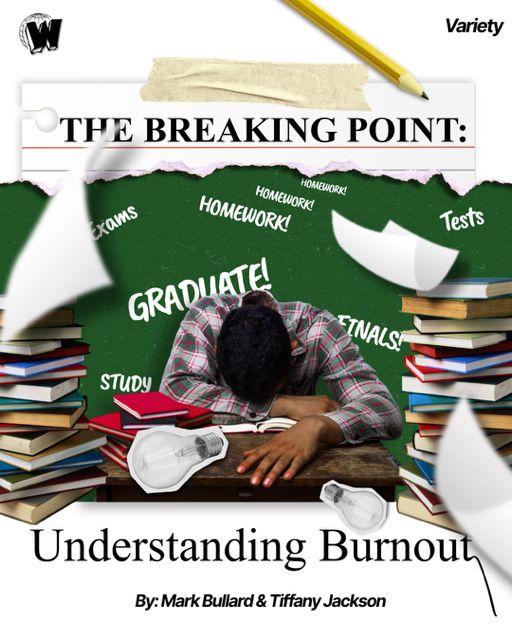
Student burnout is the process through which students become emotionally detached from their work. A study on Passion and Burnout in College Students identifies three core pillars of burnout:
- Exhaustion
Feeling physically or emotionally drained by academic demands. - Cynicism
Developing a negative or detached attitude toward schoolwork. - Reduced Efficacy
Believing that you are no longer capable of performing successfully.
Research shows that student burnout is common in college populations. It is linked to lower academic performance, decreased mental health, and the belief that academic environments mimic high-pressure work settings.
Burnout at Talladega College
At Talladega, many students trace burnout back to the volume and nature of assignments they receive. Professors often assign work to “keep students busy,” even when the tasks lack real-world relevance. This busywork leaves students feeling like they are pushing through tasks that don’t matter.
As a result, many students default to survival-mode thinking:
“As long as I graduate, I’m fine.”
“As long as I don’t fail, I’m fine.”
For an institution that receives thousands of dollars in tuition each year, students deserve a learning experience that stimulates, challenges, and supports them rather than draining them.
Another study, Reflecting Emotional Intelligence: How Mindsets Navigate Academic Engagement and Burnout, notes that burnout impacts academic performance, motivation, psychological development, and even future career paths. When professors treat students like numbers rather than people, this disconnect fuels burnout even more. Students lose interest, and the cycle repeats.
When Does Burnout Hit?
Many students feel burnout around midterms, when the semester reaches its most demanding point. Others feel it earlier, especially those with:
- Heavy course loads
- High levels of extracurricular involvement
- Student leadership roles
- Athletic commitments
These activities help students gain real-world skills and build a well-rounded college experience, but when combined with high academic pressure, they can quickly lead to overload.
Symptoms of Burnout
According to the University of Colorado, common signs include:
- Mental, physical, or emotional exhaustion
- Avoiding tasks or responsibilities
- Loss of motivation
- Difficulty concentrating
- Trouble sleeping
- Feeling overwhelmed or detached
If several of these feel familiar, burnout may already be setting in.
How to Prevent Burnout
The American Psychiatric Association recommends:
- Taking self-care days
- Taking breaks during work or study
- Setting firm boundaries
- Asking for help when needed
These aren’t luxuries—they’re essential for long-term academic and emotional health.
So What’s the Solution?
1. Treat Students Like People, Not Numbers
Faculty and staff should engage with students as adults navigating real stress, not as boxes to check off on a roster.
2. Implement Mandatory Mental Health Days
A once-a-month mental health break could give students space to step away from screens, decompress, and return refreshed.
3. Encourage Healthy Breaks Away From Campus
Students who live nearby can benefit from weekends at home. Those who live farther away can benefit from campus-led recreation days, outdoor events, or activities designed to relieve pressure and restore balance.
The End of the Semester: A Critical Time
As finals approach, stress spikes dramatically. Students juggle exams, deadlines, and preparing to go home. Without support, burnout is almost guaranteed. Students need space, understanding, and flexibility during this period.
Think of a student’s mind like a car:
A car can’t run without gas.
A student can’t function without rest.
If burnout empties the tank, learning becomes impossible. Supporting students’ mental health should be just as important as supporting their physical well-being.