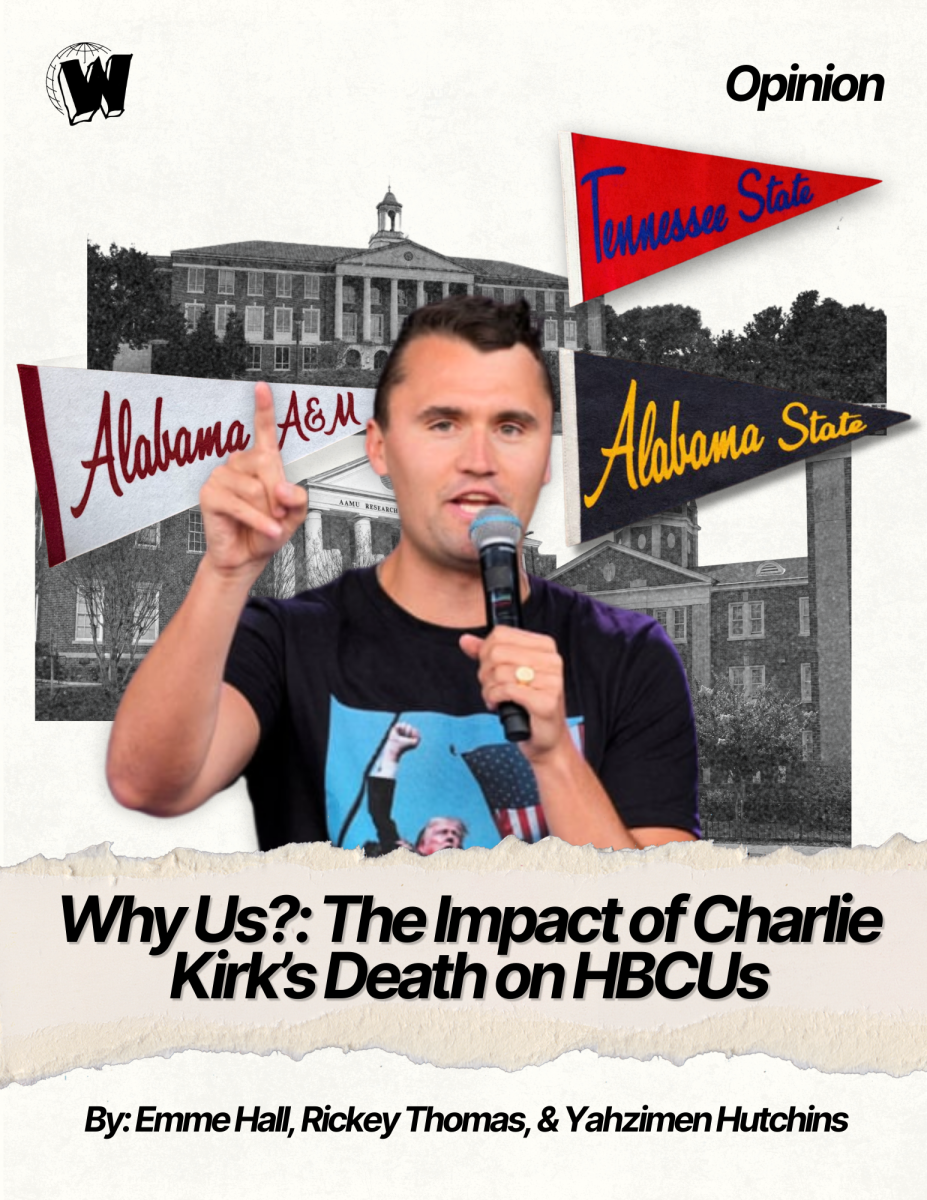



On September 10, 2025, Utah Valley University hosted the kickoff of Charlie Kirk’s “American Comeback Tour,” a series of campus events organized by his organization, Turning Point USA. Hundreds of students gathered for his “Prove Me Wrong” segment, where Kirk debated a range of topics including abortion rights, diversity, equity, and inclusion initiatives, and the role of college in society. During a discussion on mass shootings, Kirk was fatally shot on stage by Tyler James Robinson, a 22-year-old Utah native, abruptly ending the event.
Though Kirk was killed at a predominantly white institution and the shooter was white, the aftermath of his death has rippled across historically Black colleges and universities, raising questions about safety, rhetoric, and public perception on these campuses.
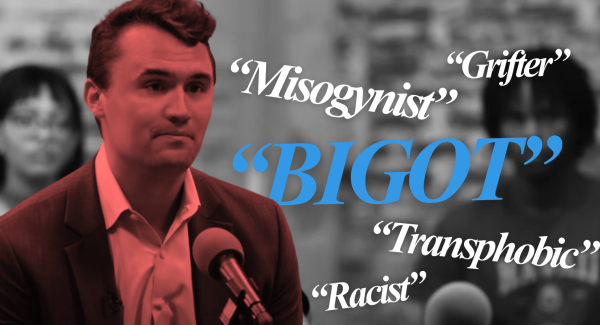
So now the question arises: Who was Charlie Kirk, why did his presence often spark controversy on college campuses, and what could drive someone to take such drastic action against him? Charlie Kirk was a conservative political activist and social media influencer who traveled to colleges and universities to promote right-leaning ideas. He founded Turning Point USA and Turning Point Action, organizations created to spread his vision of conservative values among youth, claiming to preserve “the greatest culture and country to ever exist.” However, his rhetoric was widely criticized as misogynistic, racist, and homophobic, leading many to view him simply as a provocateur and bigot.
Despite the circumstances of his death occurring at a predominantly white institution, the aftermath has rippled across historically Black colleges and universities. In the days following his murder, several HBCUs faced threats, confrontations, and heightened security concerns — a stark reminder of how national events, even those occurring elsewhere, can disproportionately impact these campuses.
Following Kirk’s death, Alabama State University, Xavier University of Louisiana, Virginia State University, Hampton University, Spelman College, and Southern University were among the institutions targeted with hoax threat calls, threatening letters, and derogatory messages referencing violence. At Virginia State University, an urgent alert was issued to students and staff. Hampton University suspended nonessential activities and classes for two days, and Alabama State University temporarily closed its campus.
Social media reactions from prominent conservatives, including Elon Musk, fueled confusion and tension, with comments such as “The left party is the party of murder” and “If they won’t leave us in peace, then our choice is fight or die,” overlooking the facts about the shooter’s identity. At Tennessee State University, a group called Fearless Debaters appeared on campus carrying signs reading “DEI should be illegal” and “Deport all illegals now.” The university clarified that the group was unaffiliated with the school and not authorized for campus demonstration. The Nashville NAACP condemned the presence of the group, calling it “a deliberate attempt to embitter, disrupt, and instill distress in a safe environment.”
These events highlight the ongoing vulnerability and resilience of HBCU communities, emphasizing the need for vigilance, solidarity, and safety while navigating national debates that often do not directly involve them.
We spoke with students at affected HBCUs to better understand their reactions. Javin Ferguson, a sophomore at Alabama A&M University, recalled hearing about the threat: “Ain’t no way this is real.” Another student at Alabama A&M University, who wished to remain anonymous, added, “It really shocked me because what do we have to do with this… keep in mind it was a white male who shot Charlie.” Gerald Turner, a senior at Tennessee State University, reflected on his peers’ responses to the trespassers: “I was surprised by how my peers chose to respond. I felt like they (“The Fealess Debators”) knew what they were coming on a historically Black college campus to do, even though they said they didn’t know.”
Although it has been over a month since Charlie Kirk’s death, the reverberations are still felt on HBCU campuses. Recently, the Blexit Tour — a conservative outreach initiative targeting Black students — launched at Johnson C. Smith University and plans to visit a total of ten historically Black colleges and universities, including Howard University, Florida A&M University, and Bowie State University. While the stated goal of these tours is to educate students on conservative political values, past examples suggest that such initiatives often create tension and distraction rather than dialogue.
This series of events forces HBCU students, faculty, and administrators to reflect on safety, legacy, and advocacy. It also underscores the resilience and strength of these institutions in the face of national events that are often unrelated to their immediate communities. Ultimately, the question resonates broadly with HBCUs: Why us?